Increasing Traffic and Pollution: The Case for Carpooling in Pakistan
Introduction
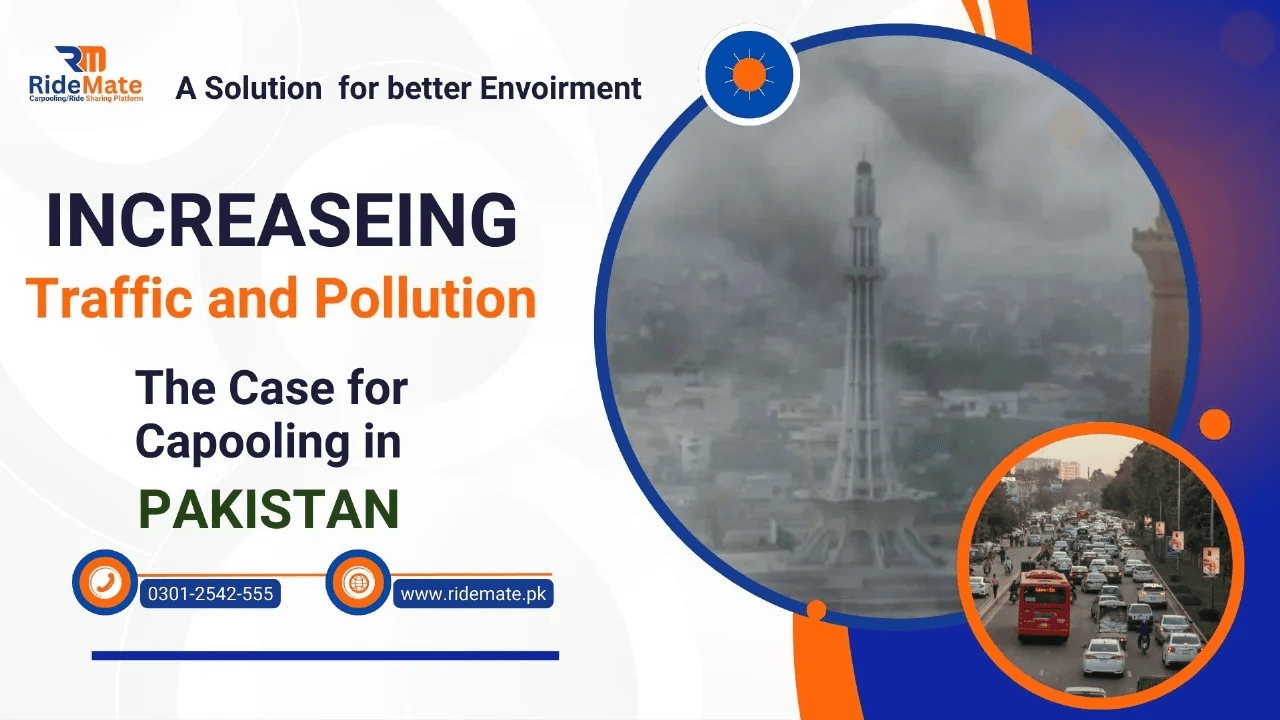
In the last decade, all the large cities of Pakistan especially Karachi and Lahore have felt the consequences of traffic congestion and pollution in the form of increased levels. This pattern poses a great threat to the lives of many people living in the area, the environment and health of the society. This article moves further to explain why there is a rise in traffic and the degree of pollution, consequences of traffic and pollution to the Pakistani society and finally the possible solution — RideMate — an efficient carpool service.
Some Essential Facts about the Traffic and Pollution Problem
The Current Landscape: Karachi and Lahore, as most big cities in Pakistan, have progressively experienced a steep rise in vehicle possession within the last couple of years. Data available from the latest statistics says that Karachi alone, with a population of more than 14 million, has more than 2.5 million registered vehicles. With around 11 million inhabitants, Lahore is in second place, and the same thing is observed there. This rapid growth in the number of cars has led to worsening traffic jams, and increasing cases of pollution and smog.
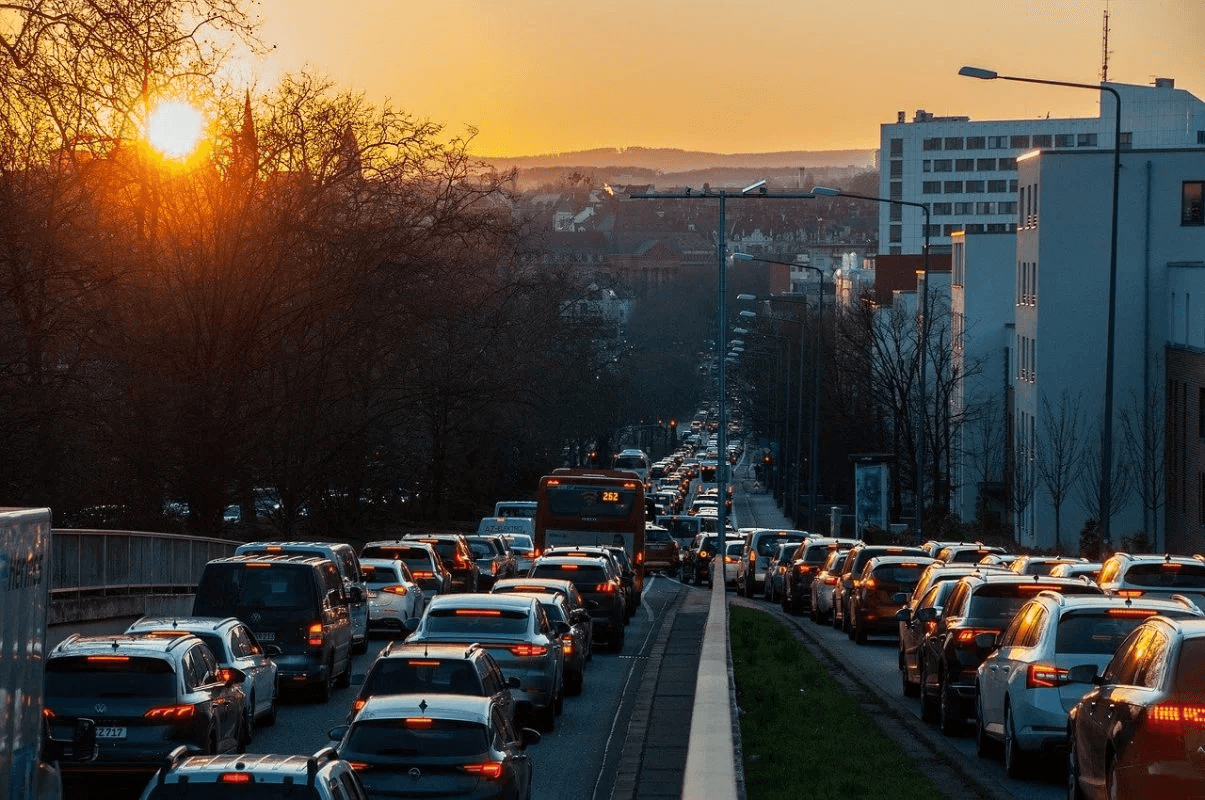
Generally, the following are the reasons behind the rise in traffic:
Urbanization and Population Growth
One of the identified drivers of rising traffic in these cities is urbanization. More and more people are shifting to urban areas in search of job opportunities and better standards of living, leading to increased demand for transport services.
Dependence on Personal Vehicles
The use of personal automobiles to commute is a major explanation for the deteriorating traffic situation. The general population prefers their own cars over available public transport options, resulting in more and more people taking to the road in their own vehicles.
Inefficient Public Transportation
Public transport in major cities such as Karachi and Lahore is poor, with overcrowded vehicles, erratic schedules and poor geographic coverage. This unreliability forces commuters to look for other means of transport, usually private cars.
Cultural Perceptions
In Pakistani society, there is a social construct that whoever has a car has status. This idea motivates people to purchase cars, which in turn causes more traffic congestion.
Insufficient Infrastructure
The growth of vehicles has outstripped road development in both cities. Narrow roads, few traffic lights, and limited parking only worsen the situation, resulting in longer travel times.
Effects of Traffic Congestion and Emission of Pollutants
Health Problems
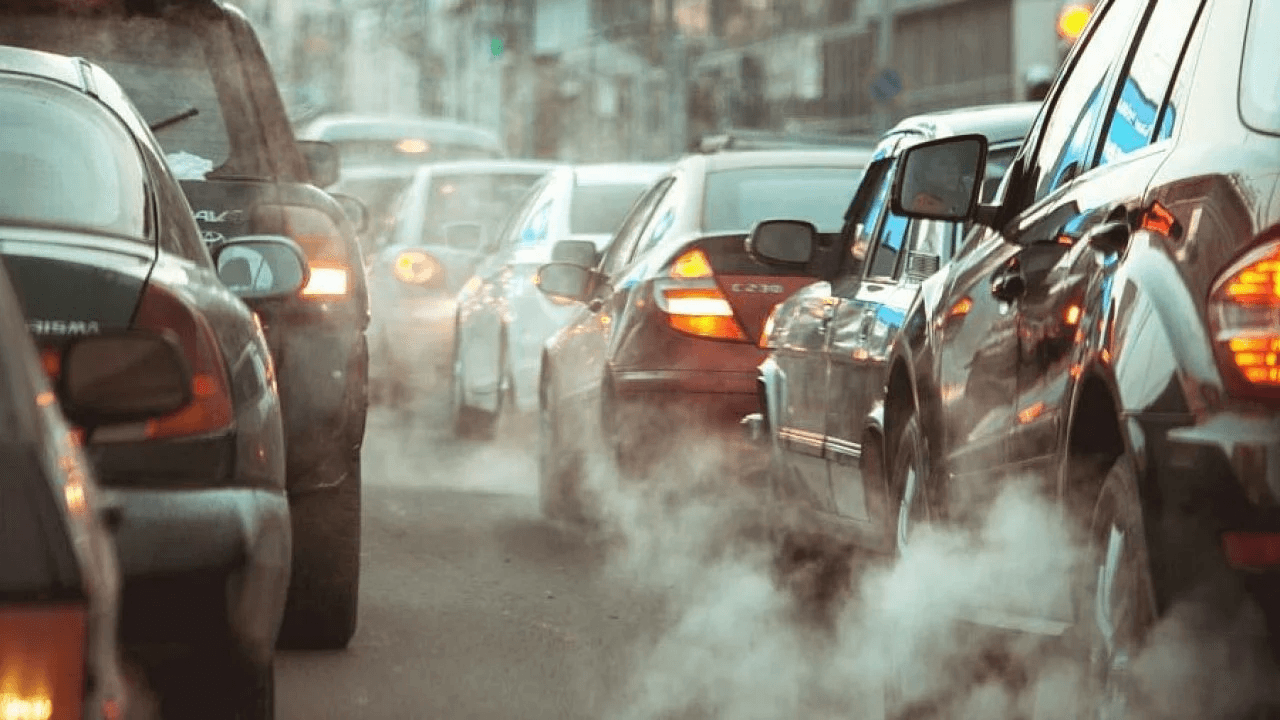
Traffic-related pollution entails the release of gases and airborne particles that are dangerous to human health. PM2.5 and other aerosols are hazardous, causing respiratory diseases, cardiovascular disease and even premature death — a risk that grows with the current volume of vehicles on the road.
Environmental Degradation
Increased traffic volume has significant repercussions for air quality and the wider environment. Congested cities act as heat islands, depriving urban areas of green space and contributing to biodiversity loss and climate change.
Economic Costs
Traffic congestion imposes real financial costs. Deliveries take longer, logistics costs rise, and workers lose productive hours commuting to and from work every single day.
Quality of Life
Enduring traffic congestion and constant noise lower the overall quality of city living. Stress rises, satisfaction with one's neighborhood declines, and existing social inequalities can be deepened.
What is the solution to this problem?
The Role of Carpooling
Carpooling is one of the most effective answers to a problem that is getting worse every day — traffic and the pollution that follows it. Shared rides go a long way toward decongesting roads and reducing greenhouse gas emissions.
RideMate: A Premium Carpooling Solution in Pakistan
RideMate is a carpooling app in Pakistan for sharing rides, where commuters travelling in the same direction get the opportunity to share a car — making travel cheaper and more efficient. With the help of this technology, even women have the ability to make carpooling experiences safe, efficient and easy.

Cost-Effectiveness
Shared transport through RideMate reduces transportation costs significantly. Commuters split fuel costs, and overall vehicle usage across the day is reduced.
Reducing Traffic Volume
By promoting a culture of shared travel, RideMate helps bring down overall car usage. Reduced traffic volume eases congestion and lowers the pollution index.
Enhanced Social Interaction
RideMate connects drivers and passengers heading the same way, turning the daily commute into a chance to meet people rather than a solitary chore.
User-Friendly Interface
A simple, easy-to-use app lets users post trips and find passengers or drivers that match their pickup, drop-off and schedule requirements in just a few taps.
Environmental Consciousness
RideMate also builds environmental awareness among its users. Understanding the impact of shared trips encourages people to make more sustainable transport choices.
Conclusion
The rising traffic and pollution issues in Karachi and Lahore present significant challenges that threaten the health, economy, and overall quality of life for the urban population. However, by advocating for carpooling solutions such as those offered by RideMate, city dwellers can work together to alleviate these pressing issues.
As individuals begin to reevaluate their transportation habits and prioritize shared commuting, the collective effort can lead to a cleaner, more efficient future for Pakistan's major cities. Embracing a culture of carpooling through innovative platforms like RideMate is crucial for creating sustainable urban environments and significantly mitigating the adverse effects of traffic and pollution.
Ready to swap solo traffic for a shared ride? Download RideMate and start carpooling in Karachi, Lahore, Islamabad, or Rawalpindi today.